
Natural Dyes
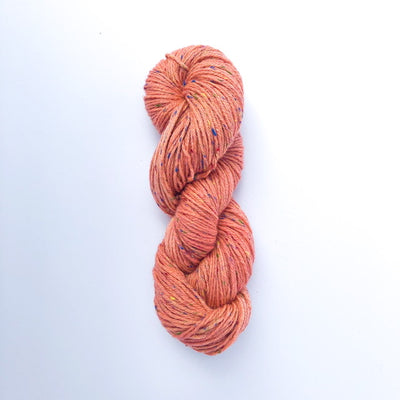
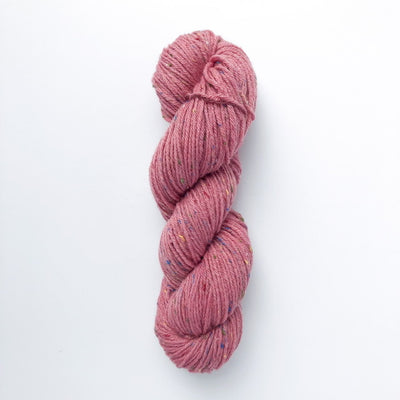
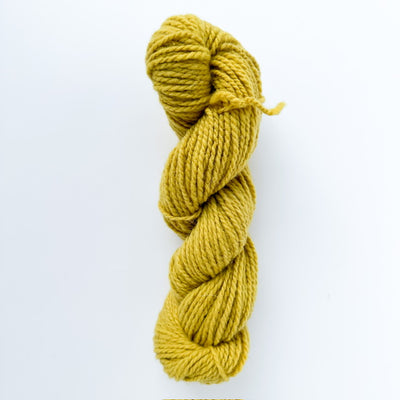
Natural dyeing is a process of coloring textiles with dyes from plants, insects, fungi, lichen, shellfish and rock minerals. Until the middle of the nineteenth century, all textiles were dyed with naturally, since there was no other source of color. The first synthetic dyes were developed in 1856, but the use of natural dyes continued in industry for another 50 years. (The Art and Science of Natural Dyes; Boutrup and Ellis, 2018).
There is an almost infinite number of natural dyes sources, but many are not light or wash fast. Flora Adora Fibers uses natural dyes that are known to have good to excellent light and wash fastness. I use food grade mordants to bind the dyes to the fibers and help the dye become permanently fixed to the fibers. That being said, there are also dyes that do not need a mordant to bind to the fiber. These include tannin rich dyes and indigo.
All the yarns are thoroughly washed and rinsed after dyeing. However, you may notice some color loss with initial washes, especially for dark reds, oranges, browns and indigo-this is normal. If you're concerned about bleeding, wash in cool water and separately from other items.
Additionally, several dye techniques can result in loose dye powder getting trapped in the fibers, with a bit remaining even after thorough shaking and washing. So don't be surprised or concerned if reddish or yellow powder shifts out when using these yarns. Between making your project and washing afterwards, all the excess dye should release.